
5 min read • April 1, 2026
Is Perplexity AI Worth It in 2026? Honest Review
Is Perplexity AI worth using in 2026? Explore features, pros, cons, pricing, and whether it’s the right AI search tool for you.
Read post
Perplexity vs ChatGPT: We compare accuracy, citations, research depth, speed, and use cases to help you decide which AI tool is better in 2026.
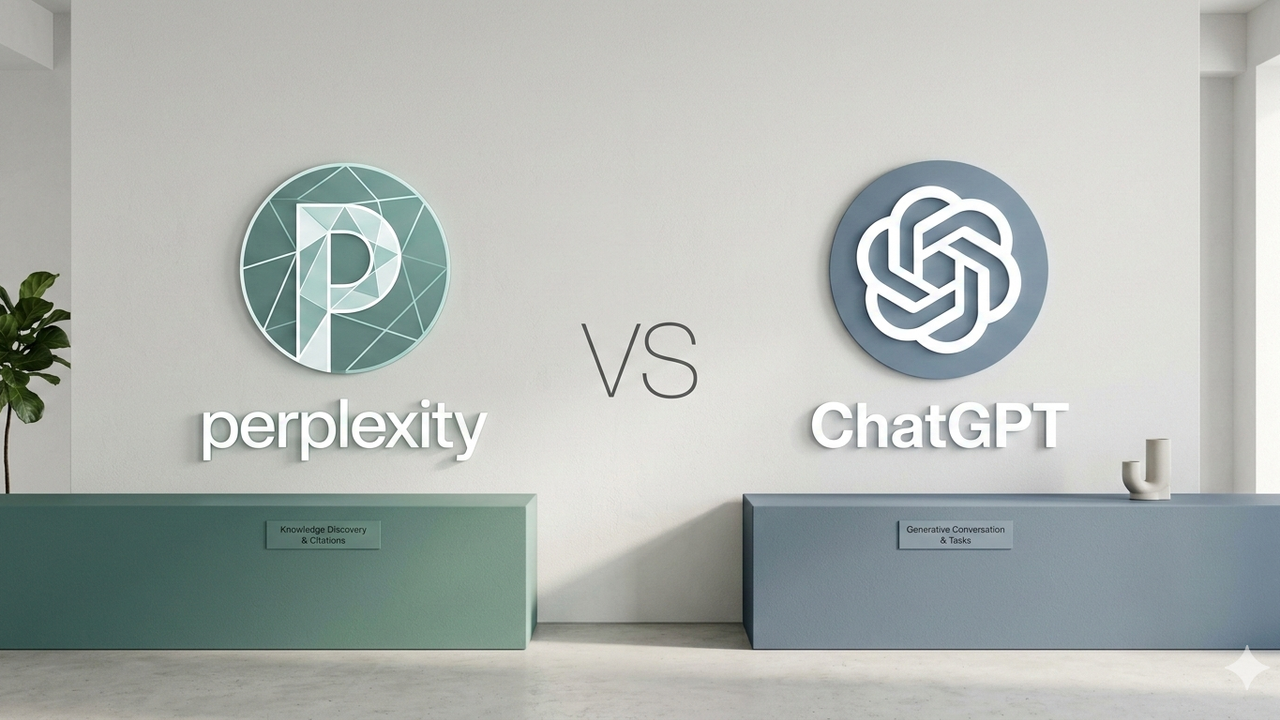
If you're comparing Perplexity vs ChatGPT, you're likely trying to decide which AI tool is better for research, citations, writing, or everyday use.
Both platforms are powerful - but they are built with different philosophies.
In this 2026 comparison, we analyze:
Let’s break it down clearly.
Perplexity is an AI-powered search engine that combines conversational AI with real-time web browsing and visible citations.
It is primarily designed for:
Perplexity feels like a hybrid between Google and a chatbot.
Its biggest strength is its citation-first approach.
ChatGPT is a conversational AI system designed for reasoning, writing, coding, brainstorming, and structured analysis.
Depending on the plan, it may include:
Unlike Perplexity, ChatGPT is not built as a search engine.
It is built as a general intelligence assistant.
Perplexity
ChatGPT
If your priority is quick answers with clearly displayed sources, Perplexity has the advantage.
ChatGPT can provide citations, but it is not inherently built as a citation-first search engine.
Perplexity
ChatGPT
For deeper reasoning and multi-step thinking, ChatGPT typically performs better.
Perplexity is optimized for speed and source-backed summaries.
Perplexity
ChatGPT
Power users and developers often prefer ChatGPT because of its flexibility.
Students and researchers frequently compare these two tools.
Perplexity is strong for:
ChatGPT is strong for:
For serious academic work, many users combine both.
Perplexity
ChatGPT
Choose Perplexity if you:
Choose ChatGPT if you:
While Perplexity focuses on citation-backed search and ChatGPT focuses on flexible reasoning, newer research-focused platforms are emerging.
These systems aim to combine:
For example, platforms like Rixx are built specifically for structured research rather than just chat or search.
Instead of choosing between search or reasoning, research-first platforms attempt to unify both into a single workflow.
This reflects a broader trend in 2026: AI tools are evolving from simple chat interfaces into full research ecosystems.
Is Perplexity better than ChatGPT?
It depends on your goal. Perplexity is better for citation-first search queries. ChatGPT is stronger for deep reasoning and structured outputs.
Does ChatGPT provide citations like Perplexity?
ChatGPT can provide citations when browsing is enabled, but it is not inherently built as a citation-first AI search engine.
Which is better for students?
Perplexity is helpful for finding sources quickly. ChatGPT is more useful for explaining complex concepts and drafting structured academic work.
What is the best alternative to Perplexity and ChatGPT?
Some users explore research-focused AI platforms that combine search, reasoning, and structured publishing workflows in one system.
There is no universal winner.
The best choice depends entirely on how you work.
As AI tools continue evolving, the future is moving toward platforms that combine search, reasoning, and structured outputs in a single research system.
Is Perplexity AI worth using in 2026? Explore features, pros, cons, pricing, and whether it’s the right AI search tool for you.
Read post
Discover the best Perplexity AI alternatives in 2026. Compare top AI search tools like ChatGPT, Gemini, and more to find the right fit for research, coding, and real-time answers.
Read post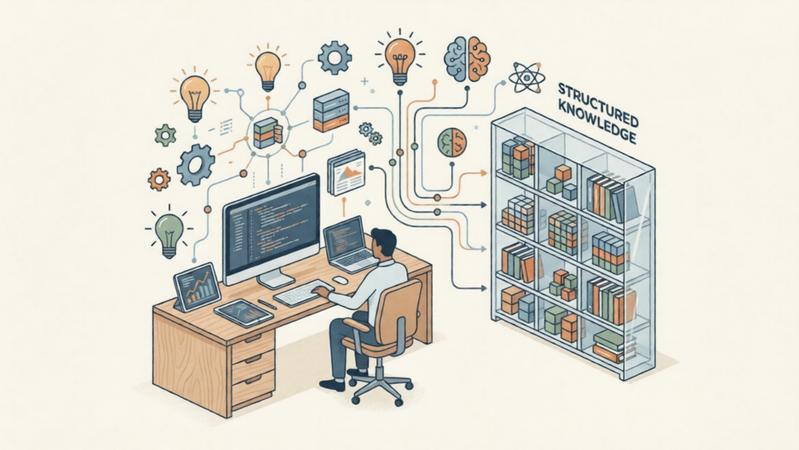
Rixx isn’t just another AI chat. It’s a workspace designed for real research, connected knowledge, and outputs you can actually use. Here’s how it works.
Read post