Modern research isn’t limited by information.
It’s limited by fragmentation.
Dozens of tabs. Screenshots saved “for later.” PDFs half-read. AI chats that disappear into history. Notes spread across apps that never connect.
The problem isn’t access anymore.
It’s structure.
Most research today happens across 20+ tabs.
You open one link, then another.
Then a PDF.
Then a video.
Then a document to take notes.
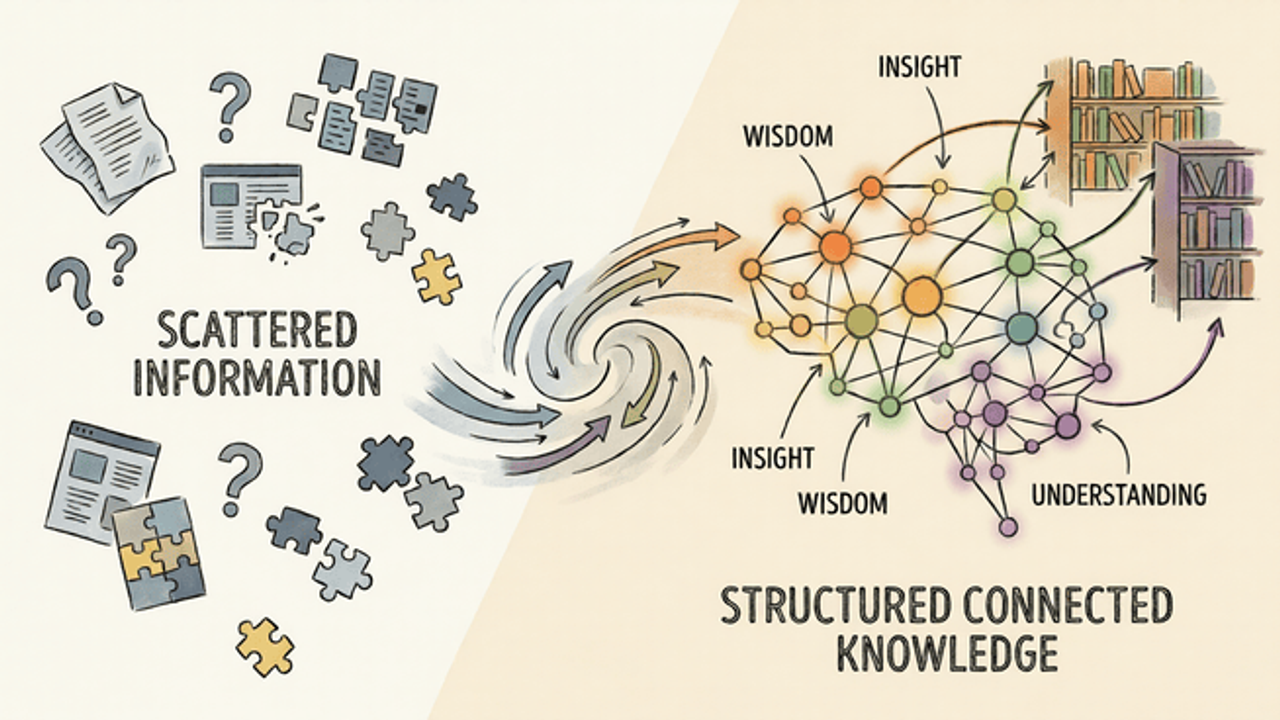
Soon, everything exists, but nothing connects.
You don’t lose information.
You lose context.
Collecting information isn’t the same as understanding it.
Real understanding happens when:
- Ideas connect
- Sources support each other
- Notes build on previous thoughts
- Questions evolve into insights
Without structure, research resets every session.
You start again. And again.
AI tools made answers faster.
But they also made research more disposable.
You ask.
You get an answer.
You move on.
But where does that knowledge go?
Most of the time:
Nowhere.
It doesn’t connect to what you already learned.
It doesn’t build into something reusable.
It just scrolls away.
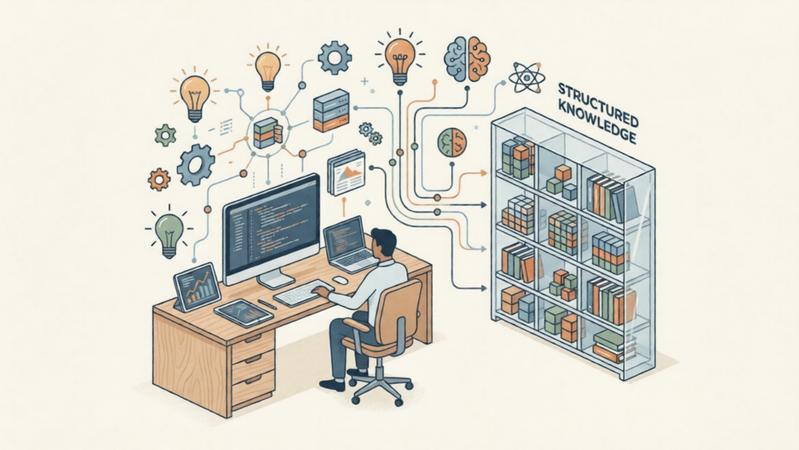
Structured knowledge is different.
It means:
- Every source stays connected
- Context is preserved
- Ideas evolve over time
- Research becomes reusable
Instead of scattered tabs, you get a living system of understanding.
We don’t have an information problem anymore.
We have a clarity problem.
The people who can:
connect ideas,
structure knowledge,
and build understanding
will always move faster than those who just collect information.
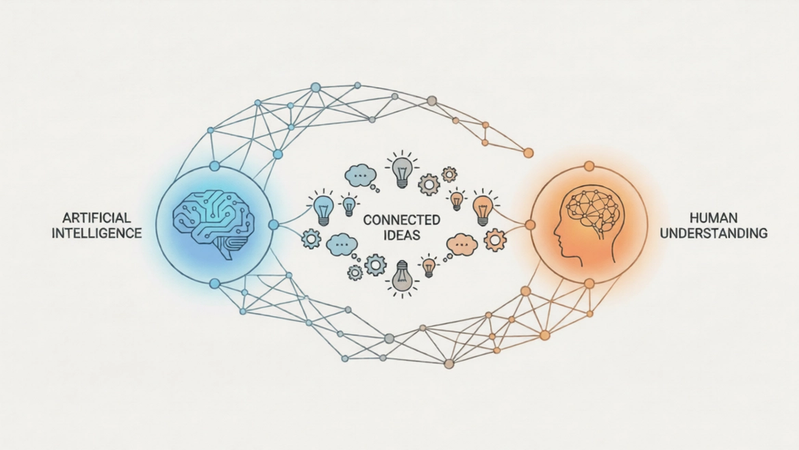
Tools shouldn’t just give answers.
They should help you:
think,
connect,
and build knowledge that compounds.
That shift, from scattered tabs to structured knowledge, is what modern research needs next.
The future of research isn’t about finding more.
It’s about understanding better.